 Team
Team
The SEGUE team is composed of four people.
Clémentine Cottineau-Mugadza, PI of the project.
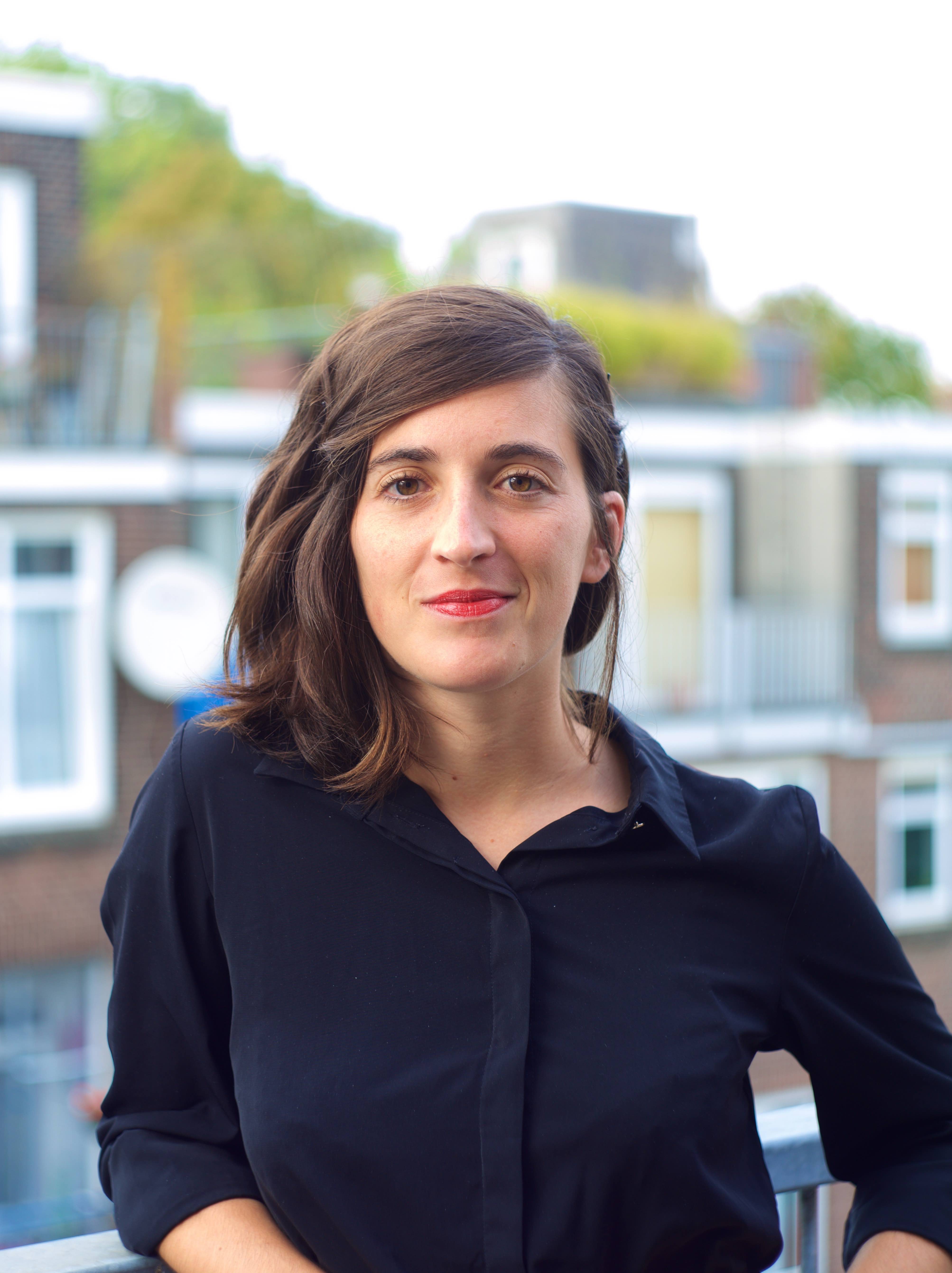
Clémentine Cottineau-Mugadza is a geographer, currently Assistant Professor of Urban Studies at the Faculty of Architecture in TU Delft. Her research interests include urban inequality and segregation, urban scaling, urban shrinkage and the history of urban models. Working from the scale of the individual to that of macro-regional systems of cities, she uses advanced computational methods and microdata to review, analyze, model, and visualize the complexity of processes producing and maintaining inequalities in cities. Recent relevant publications include (Cottineau & Vallée, 2022), (Cottineau & Pumain, 2022), (Sarkar et al., 2024), (San Millán, Cottineau‐Mugadza, et al., 2025), (San Millán, Cottineau-Mugadza, et al., 2025) and (Cottineau-Mugadza, 2025).
Clémentine holds a PhD in Geography from Université Paris 1 Panthéon-Sorbonne. During previous research positions at UCL’s Centre for Advanced Spatial Analysis and CNRS’s Centre Maurice Halbwachs between 2014 and 2020, she has worked on the patterns of post-Soviet urbanisation, urban scaling laws, spatial agent-based modelling and industrial geographies.
Javier San Millan Tejedor, Phd candidate since 2023.
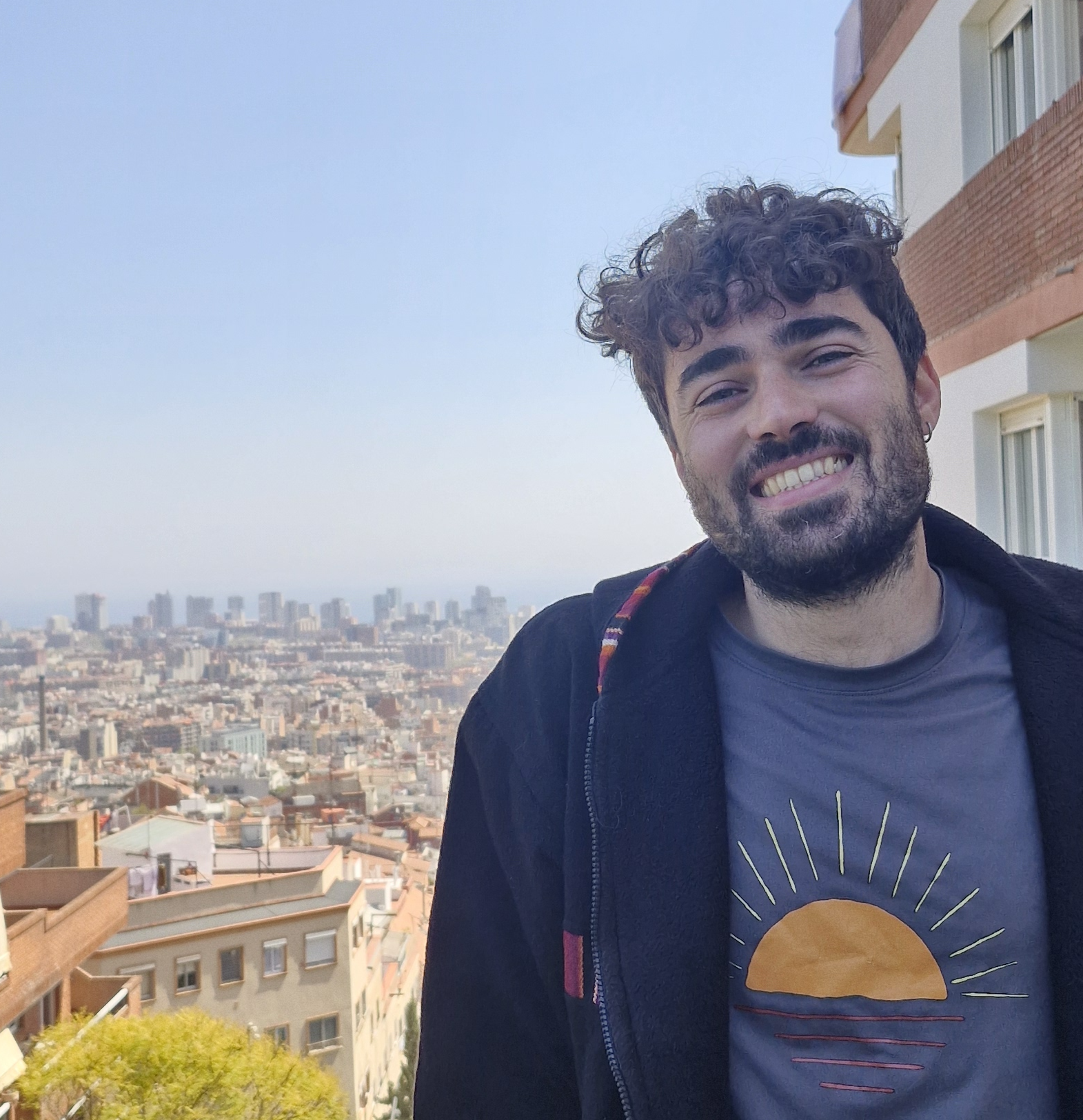
Javier is a PhD researcher in Urbanism at TU Delft and a member of the SEGUE project. His doctoral research focuses on the computation and statistical modelling of economic segregation in the Netherlands and its relationship with economic inequality, with particular attention to the role of housing policy in shaping these dynamics. Within SEGUE, he contributes primarily to objectives 2 and 4.
Javier works extensively with large-scale administrative microdata from Statistics Netherlands (CBS), combining spatial analysis with causal inference methods to study income and wealth segregation. In parallel, he has used experimental methods such as correspondence testing to study ethno-racial discrimination in housing markets. Recent relevant publications include (San Millán, Cottineau‐Mugadza, et al., 2025), (San Millán, Polavieja, et al., 2025) and (San Millán, Cottineau-Mugadza, et al., 2025).
He holds an MSc in City Design and Social Science from the London School of Economics (2021–2022), where he studied as a La Caixa Foundation Fellow. He previously completed a double bachelor’s degree in Law and International Studies at Universidad Carlos III de Madrid . Prior to starting his PhD, he worked as a research assistant at the UC Berkeley Center for Community Innovation, the Directorate of Education of the OECD in Paris, and the Discrimination & Inequality Lab (D-Lab).
Diego Buitrago Mora, postdoctoral researcher since 2024.
Diego is an applied economist from Bogotá (Colombia). He obtained his PhD in Applied Economics from the Universitat Autònoma de Barcelona in 2023 (cum laude). His research focuses on urban and regional economics, with particular attention to spatial inequality, economic segregation, urban land regulation, and transport and housing policies. He works extensively with large-scale spatial microdata and quantitative methods to evaluate how public policies shape urban form and socio-economic outcomes. His work aims to generate policy-relevant evidence to better understand and address inequalities within cities and metropolitan areas.
Diego joined SEGUE in July 2024 as a postdoctoral researcher. Within the project, he studies the impact of housing allocation policies on local patterns of economic segregation in the Netherlands. He focuses on a nationwide policy that restricts access to social housing based on income thresholds. Diego uses microdata from Statistics Netherlands (CBS), and combines spatial econometric techniques with detailed descriptive and causal analysis. Preliminary results suggest that the allocation policy affected local segregation patterns, with measurable changes in neighbourhood-level clustering of income groups after its implementation. Ongoing work examines the magnitude and heterogeneity of these effects across space and over time. He therefore contributes to objectives 2 and 4 of the project.
His work has been presented at multiple recent scientific events, such as the 2025 Workshop in Urban Economics and Economic Geography in Reading (UK), ERSA 2025 in Athens (GR) and ODDISEI 2025 in Utrecht (NL).
Paulina Pizarro Kumpf, Phd candidate since 2025.
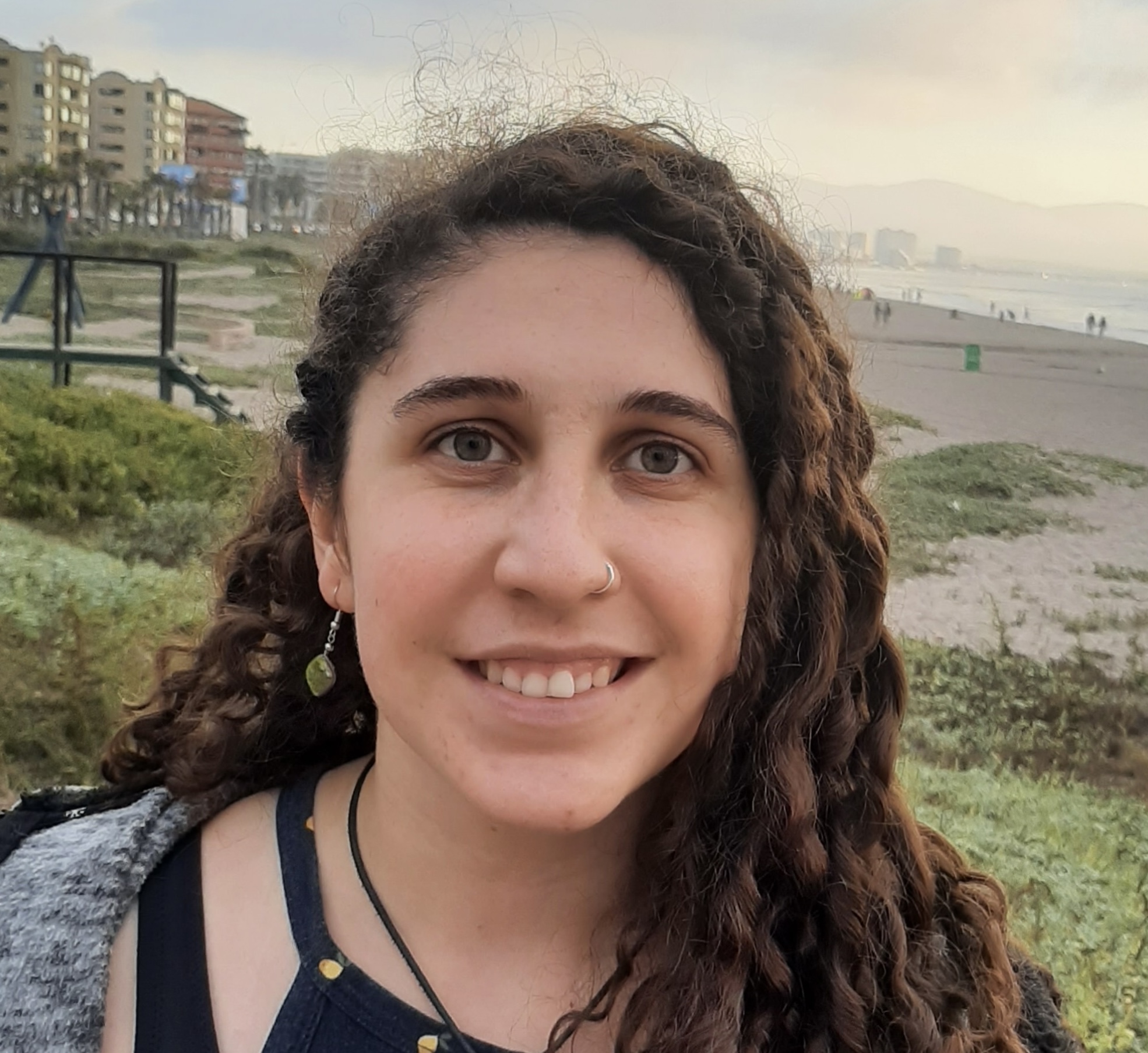
Paulina is a Transport Engineer from Pontificia Universidad Católica de Chile, specialized in urban mobility. In 2017, She did a research internship at Texas A&M, and in 2019, worked as an intern consultant at the Interamerican Development Bank in the Transportation Division, where she worked on electromobility and gender equality in transportation. In 2022-2023, she designed sustainable transport solutions and evaluated the urban impacts of real estate developments at the Providencia municipality in an interdisciplinary team. In 2024 she obtained her MSc where she trained neural networks to extract information from satellite images to improve data availability for the design of transportation systems.
Paulina joined SEGUE in February 2025 as a PhD researcher. Her research focuses on the use of agent-based models (ABM) to understand and simulate economic segregation in The Netherlands. She is therefore contributing to objectives 3 and 4.
References